Vice President
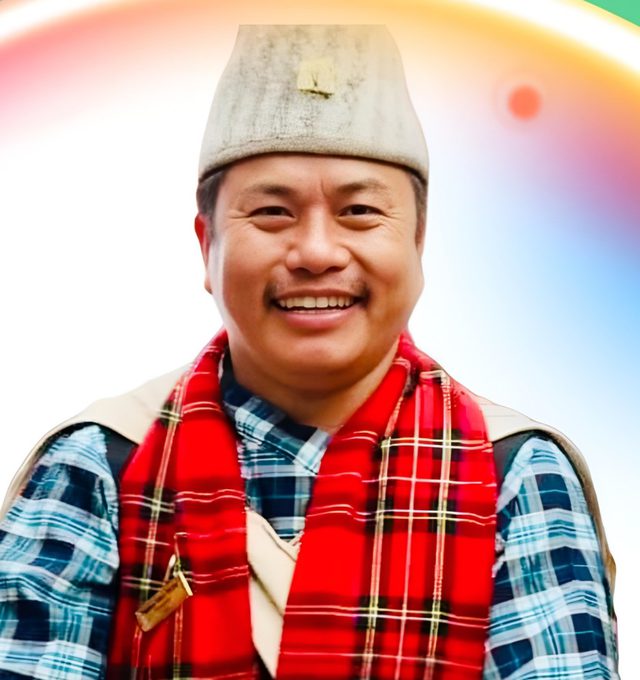
Pradeep Konay Gurung
Charlotte, North Carolina, USA
- Founder and present President, United Gurung Society of America
- Poet and writer
- Realtor, interpreter and businessman; BA, B.Ed
Unity · Identity · Prosperity
A non-profit umbrella organization uniting Tamu communities worldwide to preserve our language, culture and traditions, and to pass them to the next generation.
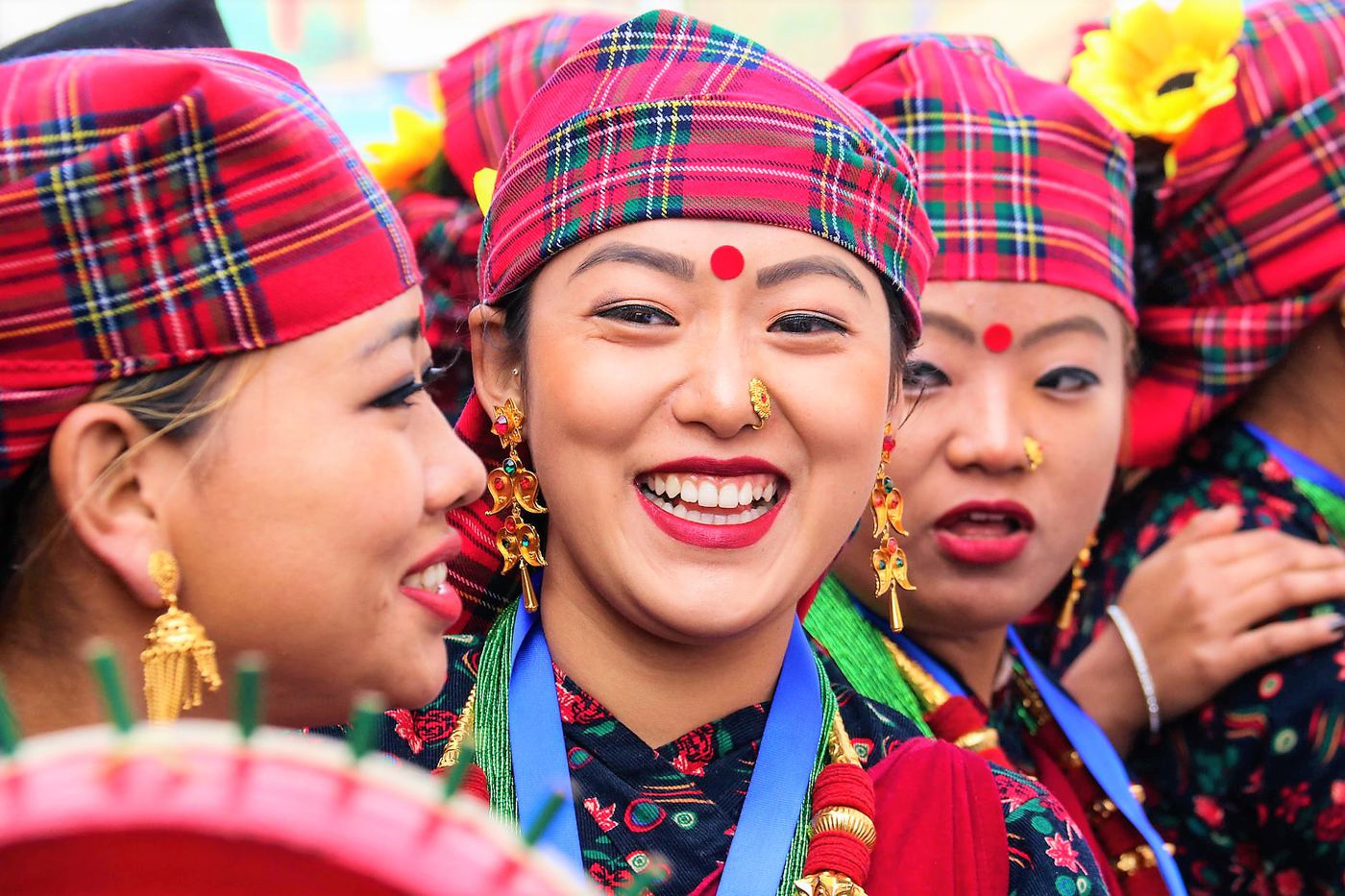
Living dress and ornament
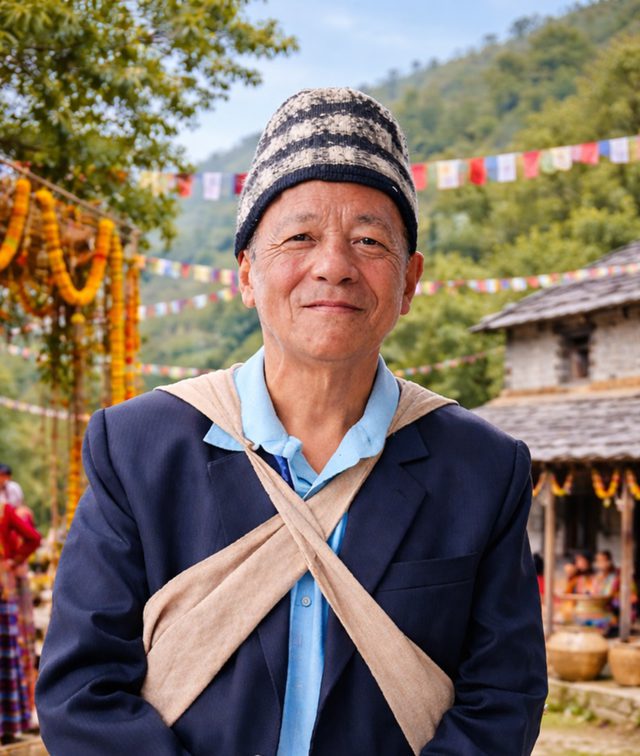
President
International Tamu (Gurung) Council (ITC)
Community leaders from across the Tamu world, guardians of our culture and tradition.
Vice President
Charlotte, North Carolina, USA
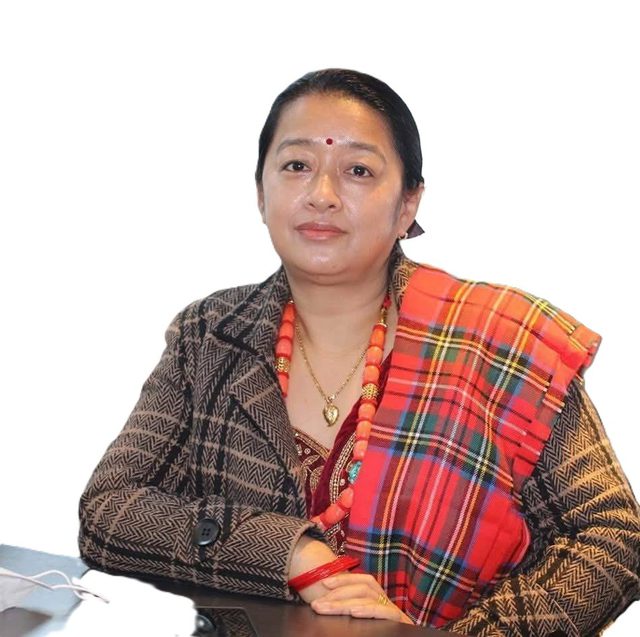
Secretariat Secretary
South Korea · from Rupandehi, Nepal
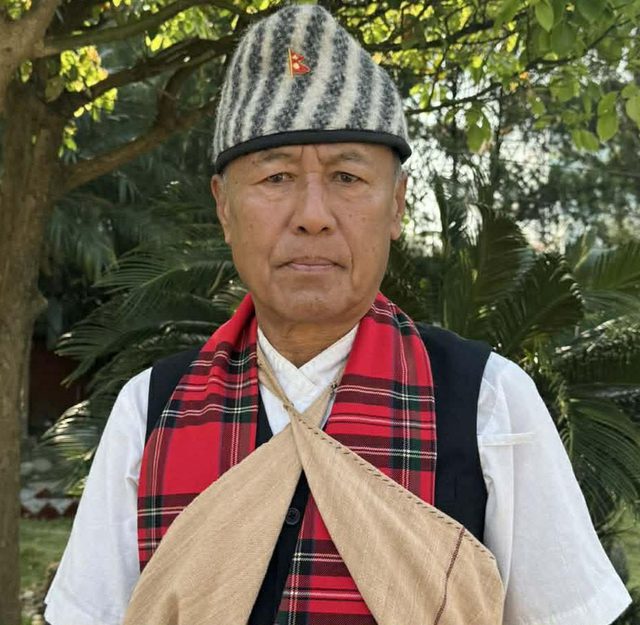
Treasurer
Lalitpur, Nepal
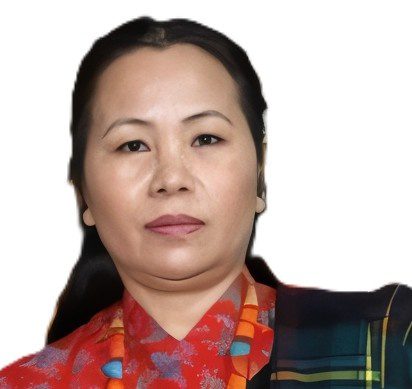
Secretariat Member
Israel · from Lamjung, Nepal
Former President and Board of Trustees member, Tamu Samaj Israel.
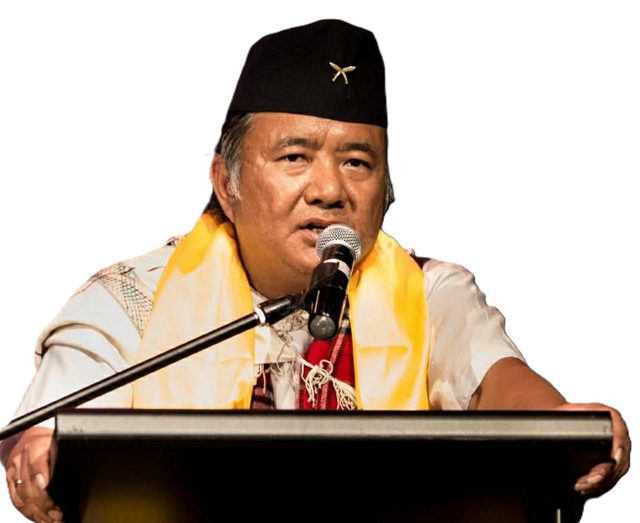
Council Member
Sydney, Australia
Immediate Past President, Tamu Society Sydney.
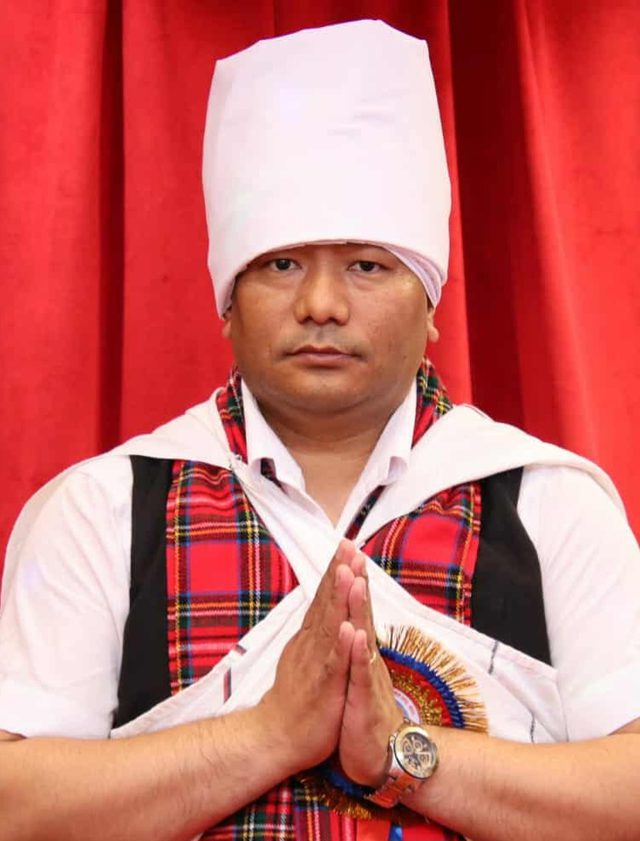
Council Member
Doha, Qatar
President, Tamu (Gurung) Samaj Qatar.
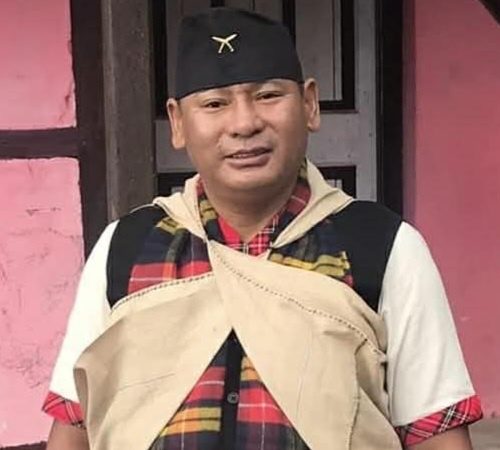
Council Member
West Sikkim, India
Executive Director, Surya Shiksha Sadan Foundation.
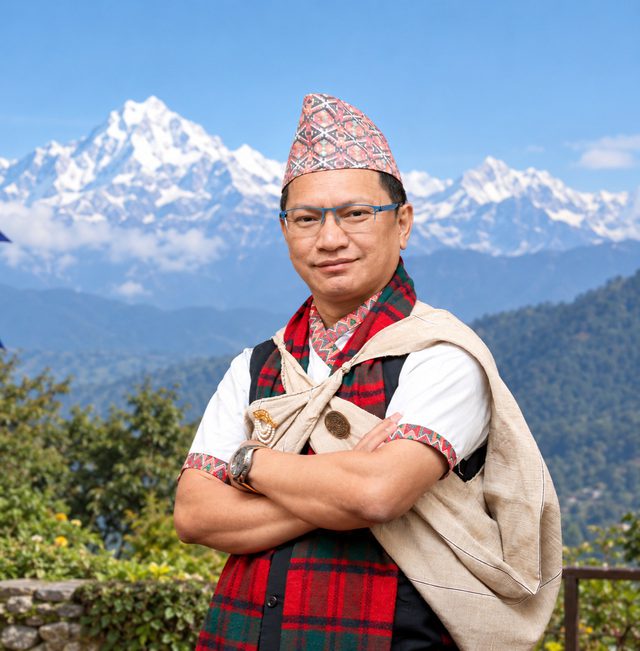
Council Member
New York, USA
President, The Gurung (Tamu) Society Inc. USA, established 2001.
The International Tamu (Gurung) Council (ITC) is a non-profit, non-political international umbrella organization bringing together Tamu (Gurung) communities, associations, organizations, and individuals from different parts of the world.
ITC provides a common platform for communication, coordination, cooperation, knowledge sharing, and collective action on matters of common interest to the Tamu community.
The Council is committed to preserving and promoting Tamu language, script, history, literature, culture, traditions, customs, beliefs, arts, indigenous knowledge, and heritage. It also seeks to encourage education, research, social development, economic empowerment, and community welfare.
ITC believes that our cultural identity is a living heritage. It must not only be preserved in books and records but also practiced, shared, and passed from one generation to another.
The Council also aims to build positive and constructive relationships with indigenous peoples, organizations, institutions, governments, and international partners. Through such cooperation, ITC seeks to promote dignity, equality, inclusion, mutual respect, and the rights of indigenous peoples in accordance with relevant international principles and instruments.
“Together, we preserve our heritage, strengthen our unity, and build a prosperous future for generations to come.”
“A United, Proud and Prosperous Tamu (Gurung) Community Worldwide.”
To build a united, confident, and empowered global Tamu community that proudly preserves its identity, language, culture, history, and heritage while creating opportunities for social, educational, cultural, and economic prosperity for present and future generations.
To unite, connect, and empower Tamu (Gurung) people and organizations around the world through cooperation, cultural preservation, education, research, advocacy, social welfare, and sustainable development.
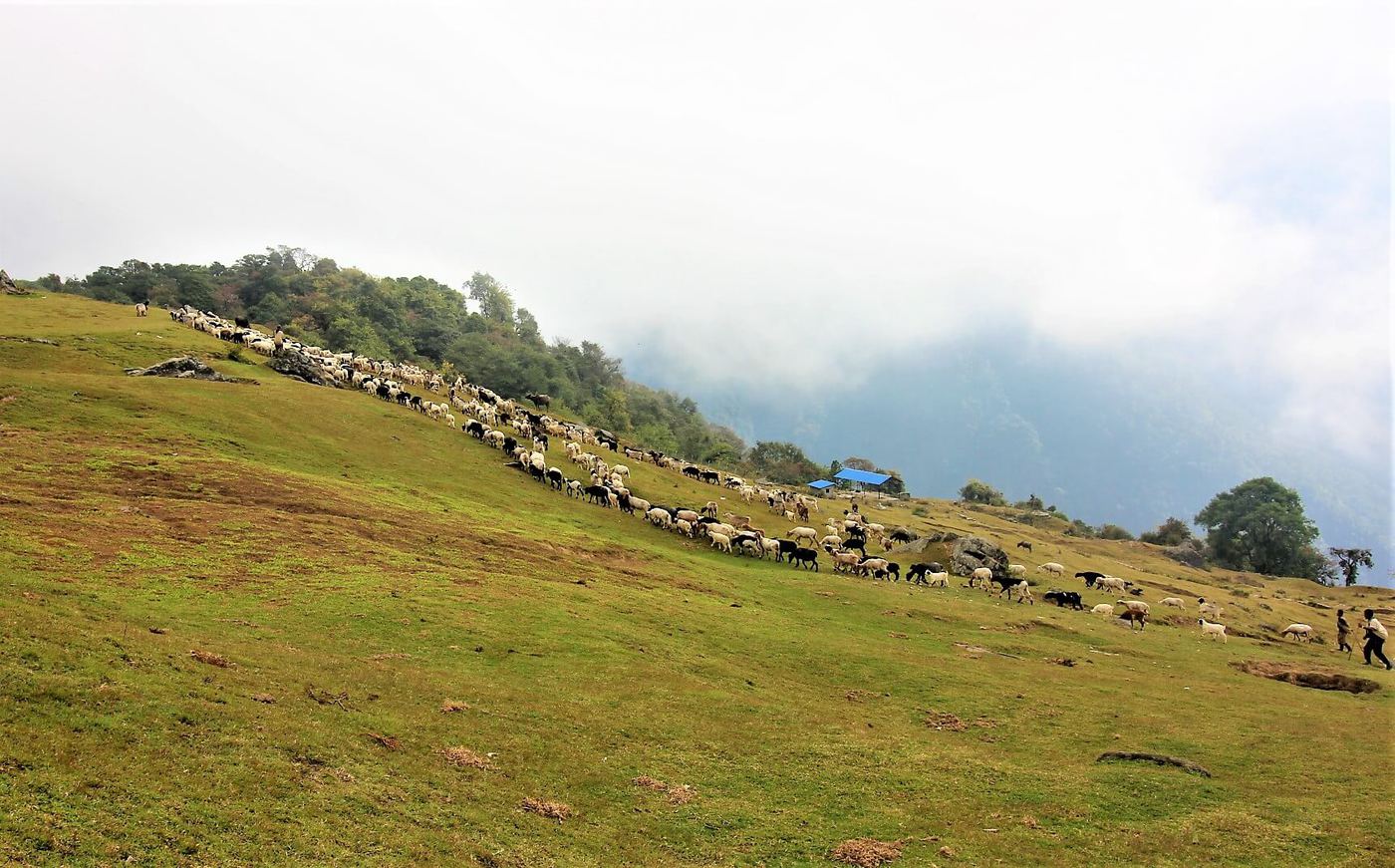
What we work to do
ITC will work to:
The International Tamu (Gurung) Council aims to:
To achieve its objectives, ITC may undertake the following programs and activities:
Through these efforts, ITC hopes to:
The work of the International Tamu (Gurung) Council will be guided by the following principles:
“Tamu People of the World — Let Us Unite.”
Our History
From a regional gathering to a worldwide council: the conferences that built ITC.
The Tamu (Gurung) community is an indigenous community with a long and rich history, its own language, culture, traditions, customs, heritage, and distinct identity. While the historical roots of the Tamu people are in Nepal, Tamu communities have now spread across many parts of the world, including India, Bhutan, the United Kingdom, the United States, Japan, South Korea, Hong Kong, Australia, Europe, the Middle East, Malaysia, Myanmar, and many other countries.
As Tamu people have settled in different parts of the world, they have formed associations, organizations, and community groups to preserve their identity, maintain their cultural traditions, support one another, and contribute to the welfare and development of their communities. These organizations have played an important role in keeping Tamu culture and relationships alive, even across national borders.
The idea of bringing these communities together on a broader platform grew from the need for stronger communication, cooperation, and unity among Tamu organizations worldwide.
A significant step in this journey was the Historic First Tamu SAARC Conference, held in Dharan, Sunsari, on 23–24 October 2016 (7–8 Kartik 2073 B.S.). The conference was conceptualized and envisioned by Mr. Resham Gurung, former Chairperson of the National House of Tamu (Gurung). The success of the conference encouraged Tamu organizations to strengthen their relationships beyond national boundaries and created a foundation for a wider international initiative.
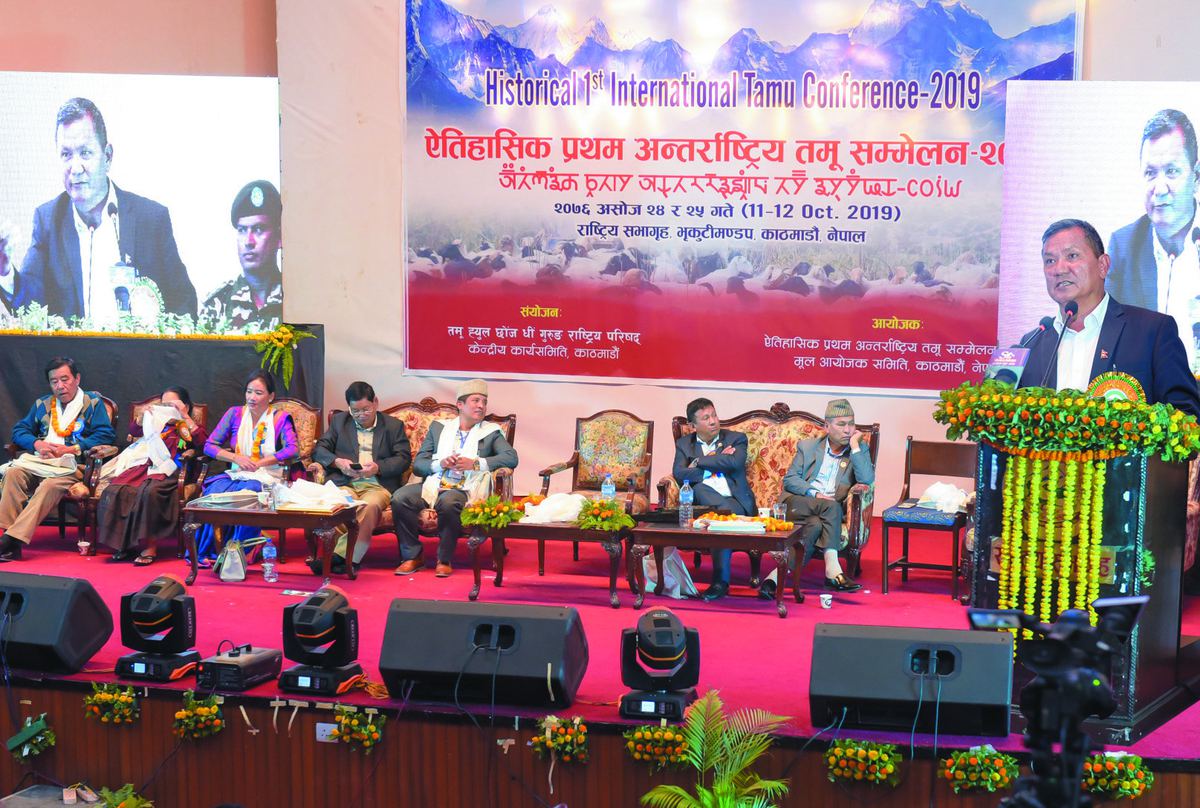
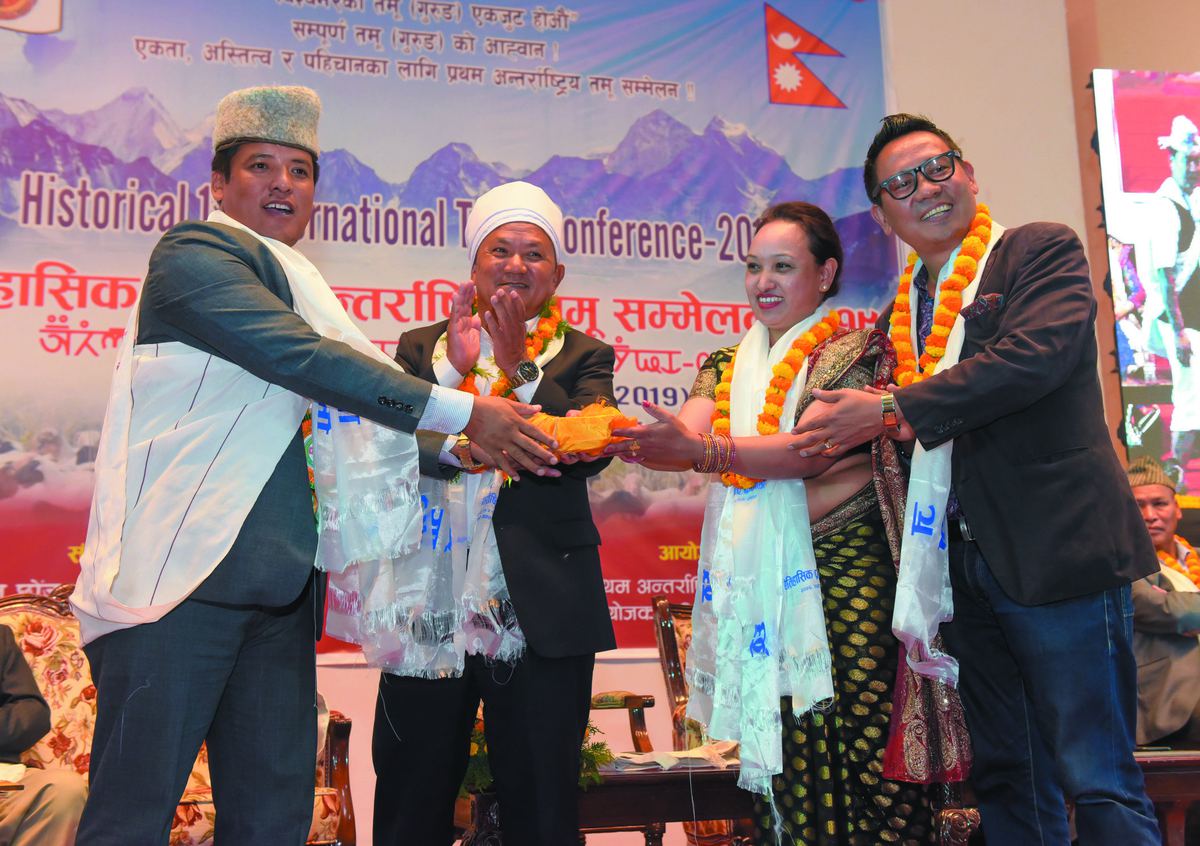
Building on this momentum, the First International Tamu Conference was held in Kathmandu, Nepal, on 11–12 October 2019 (24–25 Ashwin 2076 B.S.). The conference was coordinated by Mr. Resham Gurung, former Chairperson of Tamu Hyula Chhoj Dhin Gurung Rastriya Parishad, with the support of a 251-member Main Organizing Committee and various subcommittees.
The conference was an important milestone in Tamu history. It adopted the By-Laws (Constitution) of the International Tamu (Gurung) Council and the Kathmandu Declaration 2019, providing a formal foundation for an international network of Tamu organizations and communities under the guiding theme:
“Unity, Identity and Prosperity”
The journey continued with the Second International Tamu (Gurung) Conference, successfully organized in association with the Gurung Association of Sikkim (GURAS) from 11–13 October 2022 in Dentam, West Sikkim, INDIA. The conference concluded with the Dentam Declaration 2022, further strengthening the shared commitment to Tamu unity, identity, culture, and cooperation.
The establishment of the International Tamu (Gurung) Council (ITC) reflects a shared aspiration: to create a common international platform where Tamu organizations and communities can communicate, cooperate, learn from one another, and work together for the benefit of present and future generations.
ITC therefore seeks to strengthen global Tamu unity while preserving and promoting our language, script, history, culture, traditions, literature, heritage, indigenous knowledge, and identity. At the same time, it aims to contribute to education, social development, economic empowerment, community welfare, and the long-term prosperity of the Tamu people.
Dharan, Sunsari · 23–24 October 2016 (7–8 Kartik 2073 B.S.)
Kathmandu, Nepal · 11–12 October 2019 (24–25 Ashwin 2076 B.S.)
Dentam, West Sikkim, India · 11–13 October 2022
Founding Coordinator
Social leader, researcher and advocate for indigenous peoples’ rights and Tamu heritage
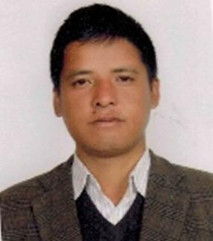
Resham Gurung’s work spans indigenous peoples’ rights, social inclusion, cultural preservation and community development. He began as a teacher in Gorkha and Panauti, went on to earn a Master’s degree in Anthropology, and has since contributed to national and international initiatives as a consultant, trainer and voice in policy dialogue.
For two terms he chaired the National Council House of Tamu (Gurung). From that platform he conceived the Historic First Tamu SAARC Conference in Dharan in 2016, then coordinated the First International Tamu Conference in Kathmandu in 2019, the gathering that adopted the by-laws of the International Tamu (Gurung) Council.
2016
Conceived the first Tamu SAARC Conference
2019
Coordinated the First International Tamu Conference
2 terms
Chairperson, National Council House of Tamu (Gurung)
20+
Countries visited, plus 70+ districts of Nepal
1995 – 2001
Taught primary and lower-secondary English in Gorkha and Panauti.
2004 – 2011
Trained in constitution-making, social inclusion and ILO Convention 169, and completed an M.A. in Anthropology (2011) at Campion College, affiliated with Tribhuvan University.
2009 – 2017
Worked on projects funded by the European Union, UNDEF and the Danish Institute for Party and Democracy, and with International IDEA on political dialogue and the federal glossary.
2013 – 2022
Led the national Tamu body for two terms, the period in which the 2016 and 2019 conferences took shape.
2022 – 2026
Serves in an advisory role to NEFIN, and chairs the Indigenous Peoples Forum (IPF) Nepal from 2024.
Dec 2024 – May 2026
Held the office with the Government of Nepal’s foundation, after serving on its Governing Council (2012 – 2020).
New York
24th Session of the UN Permanent Forum on Indigenous Issues, 2025
Stockholm
Presented “The Constitution Building process in Nepal” at International IDEA, 2015
London
Presented on current political issues of indigenous peoples, 2015
The history of the International Gurung Council
Tamu Samaj Belgium · 2023
Federal Glossary through Citizen Dialogue
International IDEA · 2014
Federalism & Identity Issues of Nepal
UNDP Nepal Office, Federal Dialogue Series 5
Gurung’s Cultural History of Nepal
Magazine · 2013
Languages: Nepali · English · Hindi
Publication
ऐतिहासिक प्रथम अन्तर्राष्ट्रिय तमू सम्मेलन २०७६ स्मारिका
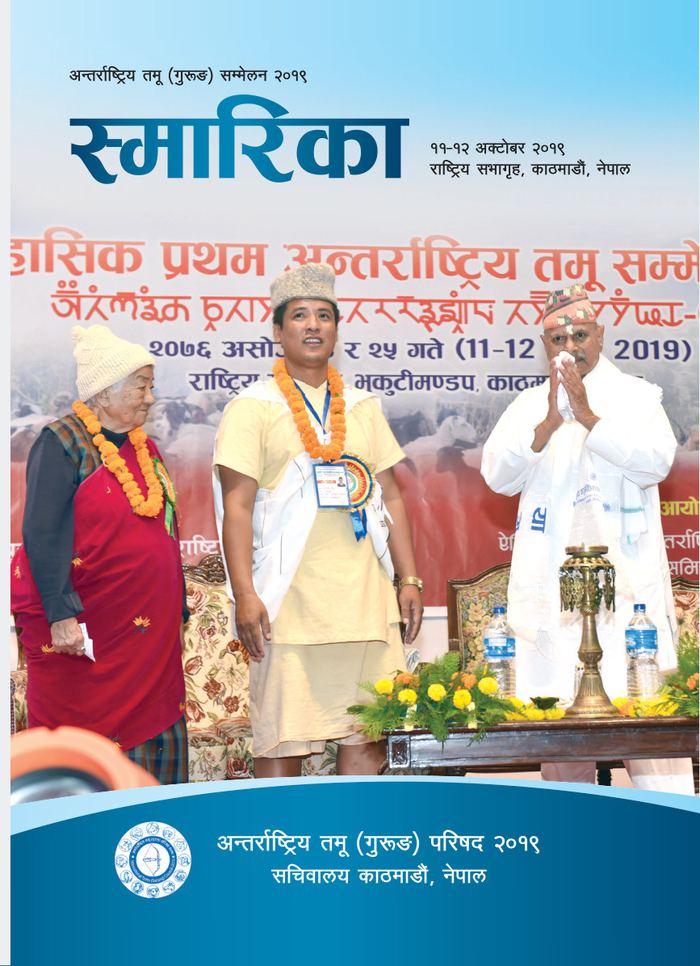
11–12 October 2019 · Rastriya Sabha Griha, Kathmandu, Nepal
146 pages · Published in Nepali
Published by the International Tamu (Gurung) Council Secretariat, Kathmandu, Nepal · tamucouncil2019@gmail.com
The International Tamu (Gurung) Council is more than an organization. It represents a shared aspiration to bring Tamu people and organizations around the world closer together and to build a stronger sense of common identity and belonging.
Today, Tamu people live in many countries and communities, but distance should never become a barrier to our relationships, identity, language, culture, and heritage. Our diversity across countries and generations can become our strength when we remain connected and work together.
ITC seeks to provide that connection—a platform where Tamu organizations can communicate, communities can learn from one another, knowledge can be shared, young people can participate, and collective efforts can create new opportunities for development and prosperity.
The Council therefore welcomes and encourages the participation of Tamu organizations, communities, scholars, intellectuals, professionals, youth, women, cultural leaders, well-wishers, and friends of the Tamu community around the world.
Together, we can protect what we have inherited from our ancestors, strengthen our identity in the present, and create a better future for the generations who will come after us.
“United in Identity, Strong in Heritage Empowered for Prosperity.”